
How to Answer “Tell Me About Yourself” in an Interview
How to answer “Tell me about yourself” in an interview is to give the interviewer a short professional summary of who you are, your most relevant experience or skills, and why you’re interested in the position. Keep your answer focused on the job rather than telling your entire life story.
A simple formula is:
Present → Relevant past → Why this job
For example:
“I’m a retail professional with three years of experience in customer service and stock control. In my previous role, I assisted customers, completed stock counts and worked with a team to maintain the department. I’m now looking for an opportunity where I can use that experience while developing further, which is why I was interested in this position.”
That answer tells the interviewer who you are professionally, provides relevant evidence and connects your background to the vacancy.
Here’s how to create your own answer.

Table of Contents
What Does “Tell Me About Yourself” Mean in an Interview?
When an interviewer says “Tell me about yourself,” they usually aren’t asking for your complete personal history.
They’re giving you an opportunity to introduce yourself professionally.
Your answer can help them understand:
- your professional background
- your most relevant experience
- your strongest relevant skills
- where you are in your career
- what you’re looking for next
- why the vacancy makes sense for you
The South African Government’s official interview preparation guidance recommends preparing a short pitch about yourself before an interview, including what makes you different and which strengths make you suitable for the position.
That is a useful way to think about this question.
Your answer is essentially your professional introduction.
A Simple Formula for Answering “Tell Me About Yourself”

You don’t need a complicated script.
Use three parts.
1. Present
Start with who you are professionally right now.
For example:
“I’m an administrative assistant with two years of experience in customer service and office administration.”
Or:
“I recently completed Matric and I’m currently looking for my first opportunity to gain formal workplace experience.”
2. Relevant Past
Briefly explain the experience, education or skills that make you relevant.
For example:
“In my previous position, I handled customer enquiries, captured information and prepared basic reports using Microsoft Word and Excel.”
3. Why This Job
Finish by explaining what you’re looking for and why the vacancy interests you.
For example:
“I’m now looking for an administrative position where I can use those skills while continuing to develop professionally, which is what interested me about this opportunity.”
Put everything together:
“I’m an administrative assistant with two years of experience in customer service and office administration. In my previous position, I handled customer enquiries, captured information and prepared basic reports using Microsoft Word and Excel. I’m now looking for an administrative position where I can use those skills while continuing to develop professionally, which is what interested me about this opportunity.”
Simple.
Relevant.
Professional.
How Long Should Your Answer Be?
Don’t turn your introduction into a ten-minute autobiography.
For many interviews, approximately 30–90 seconds is a useful practical range.
There isn’t an official universal time limit.
The goal is simply to provide enough information for the interviewer to understand your professional background without overwhelming them.
Think of your answer as the beginning of the conversation rather than your only opportunity to explain everything about yourself.
The interviewer can ask follow-up questions later.
What Should You Include?
Your answer will depend on your situation, but useful information can include:
- current or most recent role
- years or type of experience
- relevant qualification
- important skills
- one or two relevant responsibilities
- a relevant achievement
- what you’re looking for next
- why you’re interested in the vacancy
You don’t need all of these.
Choose the information that helps explain why you’re sitting in that interview.
What Should You NOT Include?
Avoid turning your answer into unrelated personal information.
You usually don’t need to begin with:
- where you were born
- your entire school history
- relationship status
- family information
- unrelated hobbies
- childhood stories
- every job you’ve ever had
For example:
“My name is Thabo. I was born in Limpopo but moved to Johannesburg when I was seven. I have two brothers and one sister. I enjoy football and watching movies…”
The interviewer still doesn’t know why Thabo is suitable for the vacancy.
A better opening would be:
“I’m a warehouse assistant with two years of experience in receiving, picking and stock control…”
Now the conversation is immediately relevant to employment.
How to Answer “Tell Me About Yourself” With No Experience
This question can feel difficult if you’ve never had a formal job.
But you still have something to talk about.
Focus on:
- education
- transferable skills
- volunteering
- school projects
- personal projects
- informal work
- relevant courses
- what you’ve learned
- what you’re looking for
For example:
“I recently completed Matric and I’m looking for my first formal work opportunity. During school, I developed communication, teamwork and time-management skills through group assignments and extracurricular activities. I’m comfortable using Microsoft Word and have basic Excel skills. I’m now looking for an entry-level opportunity where I can learn, contribute and gain practical workplace experience.”
Don’t apologise for having no experience.
And don’t invent experience.
Explain what you do bring.
If this is your situation, learning how to get a job with no experience in South Africa can also help you identify experience and skills you may already have but haven’t considered valuable.
Example for a Recent Matriculant
“I recently completed Matric and I’m currently looking for my first formal job opportunity. At school, I developed good communication and teamwork skills through group projects, and I’m comfortable using basic computer programs such as Microsoft Word. I’m particularly interested in this position because it would give me an opportunity to develop practical experience while contributing to the team.”
Notice what this answer doesn’t do.
It doesn’t pretend the applicant has years of professional experience.
It focuses on their current position, transferable skills and next step.
Example for a Graduate
A graduate could say:
“I recently completed my degree in accounting, where I developed a strong foundation in financial reporting, taxation and financial analysis. During my studies, I worked on several group projects that strengthened my analytical and teamwork skills. I’m now looking for an entry-level accounting opportunity where I can apply that knowledge in a professional environment and continue developing practical experience.”
If you completed:
- internships
- vacation work
- research
- major projects
- volunteering
- leadership activities
you can include the most relevant one.
Don’t list your entire academic history.
Example for a Retail Job
“I have three years of retail experience, mainly in customer service, merchandising and stock control. In my previous position, I assisted customers, replenished stock, completed stock counts and worked with colleagues to keep the department organised. I’m comfortable working in busy environments, and I’m now looking for another retail opportunity where I can use that experience and take on more responsibility.”
This works because the answer is directly connected to retail.
Example for a Cashier Job
“I have customer-service experience and I’m comfortable working directly with customers in busy environments. My previous responsibilities included assisting customers, handling enquiries and working accurately under pressure. I’m interested in this cashier position because it matches my customer-service strengths and would allow me to develop further experience in retail.”
If you’ve actually worked as a cashier, mention relevant experience such as:
- POS operation
- cash handling
- card transactions
- refunds
- balancing
Never claim these responsibilities if you haven’t performed them.
Example for an Administrative Assistant
“I’m an administrative professional with experience in customer service, data capturing and record keeping. I’m comfortable using Microsoft Word and Excel and have worked with information where accuracy and organisation were important. I’m now looking for an administrative position where I can use those skills while developing further experience.”
You can make this stronger by replacing generic statements with your actual experience.
Example for a Call Centre Job
“My background is mainly in customer service, where I’ve developed strong communication, listening and problem-solving skills. I’m comfortable dealing with different types of customers and remaining professional when handling difficult situations. I’m interested in moving into a call-centre environment because those communication and customer-service skills transfer well to this type of work.”
Example for a Warehouse Position
“I have experience working with stock and I’m comfortable in fast-paced operational environments. My previous responsibilities included receiving stock, stock counts, replenishment and maintaining organised storage areas. I’m now looking for a warehouse opportunity where I can use that experience and continue developing my inventory and logistics skills.”
Example for Someone Changing Careers
Suppose you’ve worked in retail but want an administrative position.
Don’t pretend your retail experience doesn’t exist.
Find the transferable skills.
For example:
“My background is in retail, where I’ve spent three years working with customers, stock records and daily operational tasks. That experience helped me develop communication, organisation and attention-to-detail skills. I’m now looking to move into administration, where I can use those transferable skills while developing more specialised office experience.”
This explains the transition instead of making the interviewer wonder why you’re applying.
Example for Someone Returning to Work
If you’ve had an employment gap, you don’t necessarily need to make the gap the centre of your introduction.
For example:
“My background is in customer service and administration, where I’ve worked with customers, maintained records and supported daily office tasks. I’ve recently been preparing to return to full-time employment and have continued improving my computer skills. I’m now looking for an opportunity where I can use my previous experience and contribute to a professional team.”
If the interviewer later asks specifically about the gap, answer honestly.
Tailor Your Answer to the Job Description
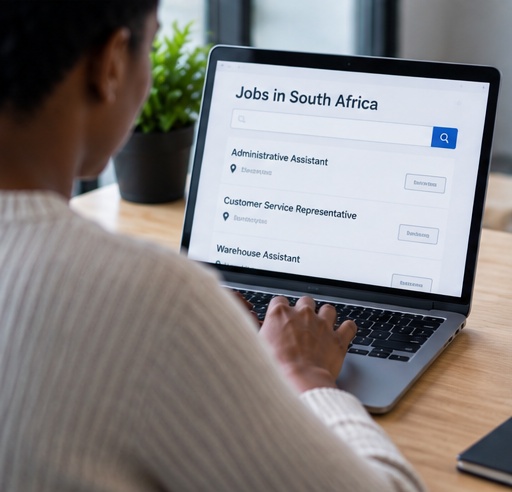
One of the biggest mistakes is using exactly the same introduction for every interview.
Before your interview, read the vacancy again.
Identify:
- The most important responsibilities.
- The skills the employer wants.
- The experience or qualifications required.
- Which requirements you match.
Then decide which parts of your background deserve space in your introduction.
The University of Pretoria Career Services recommends researching both the employer and the position before an interview.
That matters because you can’t effectively tailor your introduction if you don’t understand what the employer needs.
Example: Tailoring the Same Person’s Answer
Imagine someone has experience in:
- customer service
- stock control
- merchandising
- Microsoft Excel
- team coordination
They’re interviewing for a stock controller position.
They might say:
“I have three years of retail experience with a strong focus on stock control and department operations. In my previous role, I completed stock counts, monitored stock levels and worked with colleagues to maintain accurate stock. I’m interested in this position because it would allow me to build further on that inventory-control experience.”
Now imagine the same person applies for a customer-service position.
Their answer could change:
“I have three years of retail experience where customer service was an important part of my daily responsibilities. I regularly assisted customers with enquiries, helped resolve straightforward problems and worked in a busy environment where communication was important. I’m now looking for a position where I can focus more directly on customer service.”
Same person.
Same truthful experience.
Different emphasis.
That’s what tailoring means.
Don’t Simply Read Your CV to the Interviewer
The interviewer probably already has your CV.
Your answer shouldn’t sound like:
“In 2021 I worked here. Then in 2022 I worked there. Then in 2023…”
Instead, summarise the story connecting your experience to this job.
Your CV provides detail.
Your introduction provides context.
If your CV itself needs improvement, start with how to write a CV for a job in South Africa and make sure the experience you’re discussing in interviews is clearly represented on the document.
Should You Mention Your Name?
You can, but you don’t have to.
The interviewer already knows your name.
Starting with:
“My name is…”
isn’t wrong.
But you can move directly into your professional introduction:
“I’m a customer-service professional with three years of retail experience…”
That usually uses your limited interview time more effectively.
Should You Mention Your Age?
Usually, your age isn’t necessary for answering this question.
Focus on professional information relevant to your ability to perform the job.
South Africa’s Employment Equity Act addresses unfair discrimination in employment on several grounds, including age. You can read the legislation through the Department of Employment and Labour.
Your interview introduction should generally concentrate on what you can contribute professionally.
Should You Mention Where You Live?
Only when it’s useful.
For example, if location is relevant because the job requires you to work at a particular site, you might briefly say:
“I’m currently based in Pretoria and available to work on-site.”
But don’t spend half your introduction explaining where you’ve lived.
Should You Talk About Hobbies?
Only if they’re relevant or the interviewer specifically asks.
For example, if you’re applying for a photography position and photography is also your serious personal hobby, that could support your application.
But for most “Tell me about yourself” answers, professional information deserves priority.
What If the Interviewer Says “Tell Me Something That’s Not on Your CV”?
That’s a slightly different question.
Now they’re specifically asking for additional information.
You could discuss:
- a relevant personal project
- volunteering
- professional interest
- learning goal
- meaningful achievement
- relevant hobby
- useful quality
For example:
“Something that’s not on my CV is that I’ve been teaching myself Excel through online tutorials because I want to become more confident with spreadsheets and reporting.”
That’s much more useful than giving random personal information.
Avoid These Common Mistakes
1. Telling your entire life story
Keep the answer professionally relevant.
2. Repeating your CV word for word
Summarise rather than recite.
3. Giving a one-sentence answer
“I’m hardworking and looking for a job.”
This gives the interviewer very little useful information.
4. Speaking for too long
Don’t use your opening answer to cover every achievement you’ve ever had.
5. Using generic buzzwords
“I’m passionate, dynamic, hardworking and results-driven.”
Show what you’ve actually done.
6. Giving unrelated personal information
Focus on what helps the employer understand your suitability.
7. Memorising a script word for word
If you forget one sentence, you may lose your place.
Memorise your structure, not every word.
How to Practise Your Answer
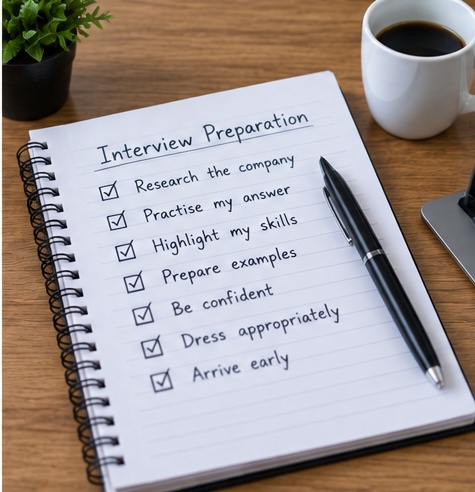
Write three headings:
NOW
Who are you professionally?
BEFORE
What relevant experience or skills brought you here?
NEXT
Why does this opportunity make sense?
For example:
NOW: Retail professional with three years’ experience.
BEFORE: Customer service, stock control, merchandising.
NEXT: Want to move into stock-control position with greater responsibility.
Now speak naturally from those points.
Don’t read them.
Practise until you can explain the same information in slightly different words each time.
The University of Cape Town Careers Service recommends preparing for interviews and provides interview resources for students and graduates.
Preparation should help you sound more comfortable—not robotic.
How to Sound Confident Without Memorising

Slow down.
You don’t need to answer immediately after the interviewer finishes speaking.
Take a moment.
Then begin.
Maintain natural eye contact where culturally and situationally appropriate.
Speak clearly.
Don’t rush through your entire answer without breathing.
And don’t worry about producing exactly the same wording you practised.
If your three main ideas are clear, the answer can still be strong.
What Comes After “Tell Me About Yourself”?
Interviewers may use your answer to decide what to ask next.
For example, if you say:
“I have stock-control experience.”
they may ask:
“Tell me more about your stock-control responsibilities.”
If you say:
“I’m good at resolving customer problems.”
they may ask:
“Can you give me an example?”
This is why you shouldn’t include claims you can’t support.
Every important statement in your introduction could become a follow-up question.
Connect Your Answer to “Why Should We Hire You?”
These two questions are related but not identical.
Tell me about yourself asks:
Who are you professionally, and how did you get here?
Why should we hire you? asks:
Why are your skills and experience valuable for this particular vacancy?
Your answers can overlap, but don’t repeat exactly the same speech.
If you’re preparing for interviews, learning how to answer “Why should we hire you?” is a natural next step after preparing your professional introduction.
A Fill-in-the-Blank Template
Use this to create your first draft:
“I’m a __________ with experience in __________. In my previous role/studies, I developed skills in __________, __________ and __________. One area I’ve particularly gained experience in is __________. I’m now looking for an opportunity where I can __________, which is why I was interested in this position.”
For someone with no experience:
“I recently completed __________ and I’m currently looking for my first opportunity in __________. Through my studies/projects/volunteering, I’ve developed skills in __________, __________ and __________. I’m particularly interested in this position because __________, and I’m looking for an opportunity where I can learn and contribute.”
Don’t copy these templates blindly.
Replace the blanks with information that is true and relevant to you.
Your 5-Minute Preparation Exercise
Before your interview:
Minute 1: Read the job description.
Minute 2: Identify the three most important requirements.
Minute 3: Identify your strongest matching experience or skills.
Minute 4: Create your Present → Past → Future answer.
Minute 5: Say it aloud twice without reading.
Then leave it alone.
You don’t need to practise it 100 times until it sounds artificial.
Frequently Asked Questions
What is the best answer for “Tell me about yourself”?
The best answer is a concise professional introduction tailored to the vacancy. Explain who you are professionally, summarise your most relevant experience or skills and finish by explaining why you’re interested in the opportunity.
How do I answer “Tell me about yourself” with no experience?
Focus on your education, transferable skills, projects, volunteering, informal experience and what you hope to learn. Don’t invent employment experience. Explain what you can genuinely offer as an entry-level candidate.
How long should my answer be?
There is no universal rule, but roughly 30–90 seconds is a useful practical range for many interviews. Your answer should be long enough to provide useful context but short enough to keep the interviewer’s attention.
Should I talk about my family?
Usually not when answering this particular question. Focus primarily on information relevant to your professional background and suitability for the vacancy unless personal information is genuinely relevant.
Should I mention my weaknesses?
Not unless they’re directly relevant to what you’re explaining. If the interviewer asks about weaknesses later, answer that question separately.
Should I say my name?
You can, but it isn’t necessary. The interviewer already knows your name. Starting directly with your professional background can make your answer more focused.
Can I memorise my answer?
Practise your structure and main points rather than memorising every word. This usually helps your response sound more natural and makes it easier to adapt.
What if I get nervous and forget what to say?
Remember three words:
Present → Past → Future.
Explain where you are professionally now, the relevant experience that brought you here and why this opportunity makes sense as your next step.
Conclusion
Learning how to answer “Tell me about yourself” in an interview doesn’t require memorising a perfect speech.
You need a short professional story that makes sense for the vacancy.
Remember:
Present → Relevant past → Why this job.
Start with who you are professionally. Mention the experience, education or skills most relevant to the position. Then explain why you’re interested in this opportunity.
Before your next interview, write those three points on paper and practise explaining them aloud.
Once you’re comfortable with your introduction, prepare your answer to “Why should we hire you?” and the other common questions you’re likely to face.