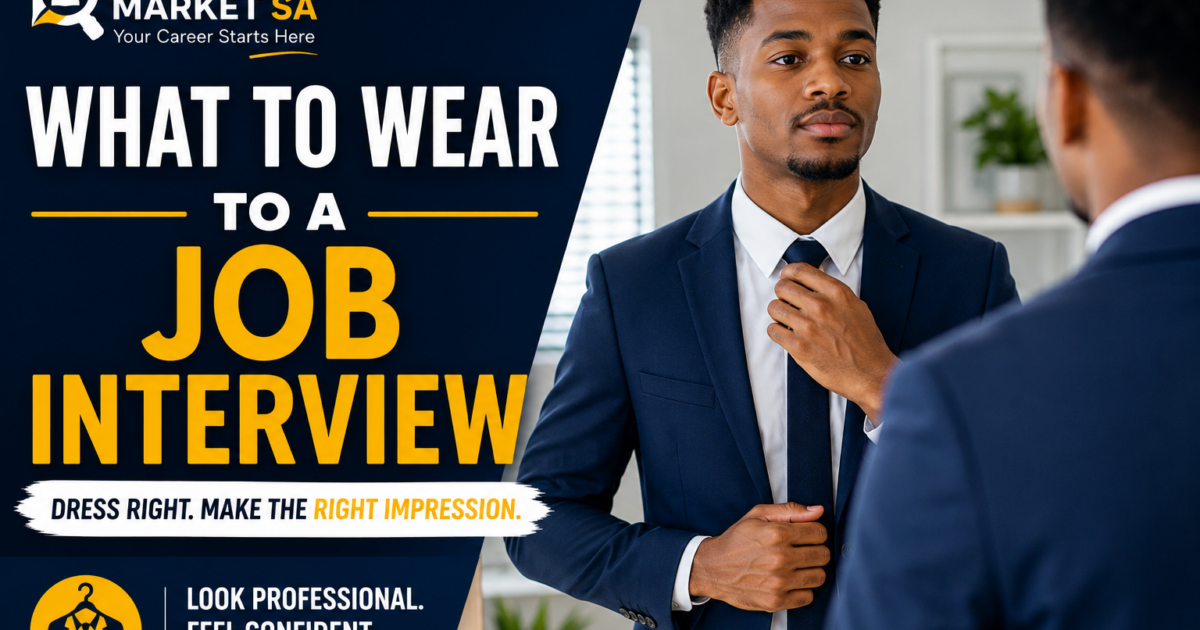
There is no single “correct” interview outfit, because expectations differ from an office job to a warehouse job. What stays the same everywhere is being clean, neat and slightly smarter than the everyday dress code of the job. Here is how to pitch it right for different industries — without spending money you do not have.
The golden rule: neat, clean, and one level up
Aim to look a bit smarter than you would on a normal day at that job. You do not need brand-new or expensive clothes. Clean, ironed, well-fitting clothes always beat flashy ones. First impressions are formed fast, so tidiness matters more than fashion.
Office, admin and corporate roles
Go formal. For men: a collared shirt, formal trousers, and closed shoes; a tie and jacket if you have them, but a neat shirt alone is fine. For women: a blouse with formal trousers or a knee-length skirt or dress, and closed shoes. Keep colours simple and neutral.
Retail and customer-facing roles
Smart-casual works well. A neat collared shirt or a plain smart top with clean trousers or a skirt. You want to look presentable and approachable, since you would be facing customers. Avoid anything too casual like slops or a vest.
Call-centre roles
Smart-casual, similar to retail. Even though customers will not see you, the interview itself still calls for a neat, professional look. A tidy shirt or blouse with clean trousers is spot on.
Warehouse, general worker and factory roles
You do not need a suit, and turning up in one can even look out of place. Clean, neat casual clothing is right — a collared shirt or plain t-shirt without logos, sturdy trousers, and closed, comfortable shoes. Looking practical and ready to work is the goal.
Hospitality roles (restaurants, hotels, catering)
Neat and well-groomed is essential because presentation is part of the job. Smart-casual to formal depending on the venue. Hair tidy, nails clean, minimal strong perfume or cologne.
Security roles
Neat and disciplined. Clean formal or smart-casual clothing, closed shoes, and a tidy appearance signal reliability and discipline, which is exactly what these employers look for.
Grooming basics for everyone
- Clean and ironed clothes, no visible stains or holes.
- Hair neat and tidy.
- Clean shoes — even older shoes look fine if they are polished.
- Go light on perfume, cologne and jewellery.
- Cover strong-smelling cigarette or food smells if you can.
What if you don’t own formal clothes?
Do not stress. Borrow a neat shirt from a family member or friend, or wear the smartest clean clothes you own. Some community organisations and NGOs run interview-clothing programmes. Interviewers in entry-level hiring understand that not everyone has a wardrobe of formal wear — clean and neat is what counts.
Common mistakes with interview clothing
- Wearing a full suit to a hands-on warehouse or general worker interview, looking out of place.
- Turning up too casual — slops, vests, torn jeans or gym wear.
- Creased, stained or ill-fitting clothes.
- Too much perfume, cologne or loud jewellery.
- Dirty or scuffed shoes that let down an otherwise neat outfit.
Dressing for South African weather
Comfort affects confidence. In summer heat, choose breathable fabrics and avoid anything that leaves you sweating and uncomfortable by the time you arrive — but stay neat. In winter, a smart jacket or jersey over your outfit works well. If it is raining, carry an umbrella and keep a cloth to wipe your shoes so you arrive tidy rather than muddy.
What to wear for a video interview
Dress properly from at least the waist up, exactly as you would in person. Solid, plain colours look better on camera than busy patterns. Being fully dressed also puts you in a professional mindset, which shows in how you speak and sit.
Grooming checklist for the morning
- Clean, tidy hair; facial hair neat or cleanly shaved.
- Clean, trimmed nails.
- Fresh breath — brush, and carry mints, especially after a smoke or coffee.
- Deodorant, but go easy on perfume or cologne.
- Shoes wiped and polished.
- Outfit checked one last time in a mirror for stains, creases or missing buttons.
Confidence is the real dress code
Clothes are the frame, not the picture. Once you are neat and appropriately dressed, stop worrying about your outfit and focus on your answers, your posture and a friendly greeting. Walking in tidy and standing tall does more for your first impression than any expensive item of clothing.
Do this now
Lay out your full outfit — including shoes — the night before, and check it for stains, creases and fit. Iron it that evening so the morning is stress-free.
Frequently asked questions
Do I need to buy new clothes for an interview?
No. Clean, neat, well-fitting clothes you already own are perfectly acceptable. Borrow if you need something smarter.
Can I wear jeans to an interview?
For hands-on roles, clean dark jeans without rips can be acceptable. For office, retail or customer-facing roles, formal trousers are safer.
What about a video interview?
Dress the same as you would in person, at least on top. It shows respect and puts you in the right frame of mind.
Should women wear make-up?
It is entirely optional. If you do, keep it simple and natural. Neatness matters far more than make-up.
The bottom line
Match your outfit to the industry, aim one level smarter than the everyday dress code, and keep everything clean and neat. You do not need money to look professional. Now sort out the rest of your prep with how to prepare for a job interview.