
How to Answer Job Interview Questions in South Africa (Even If You’re Nervous)
How to Answer Job Interview Questions in South Africa (Even If You’re Nervous)
Introduction
Job interviews can be stressful.
For many South Africans, getting invited to an interview already feels like a huge victory after submitting countless CVs online and never hearing back. I understand that feeling personally.
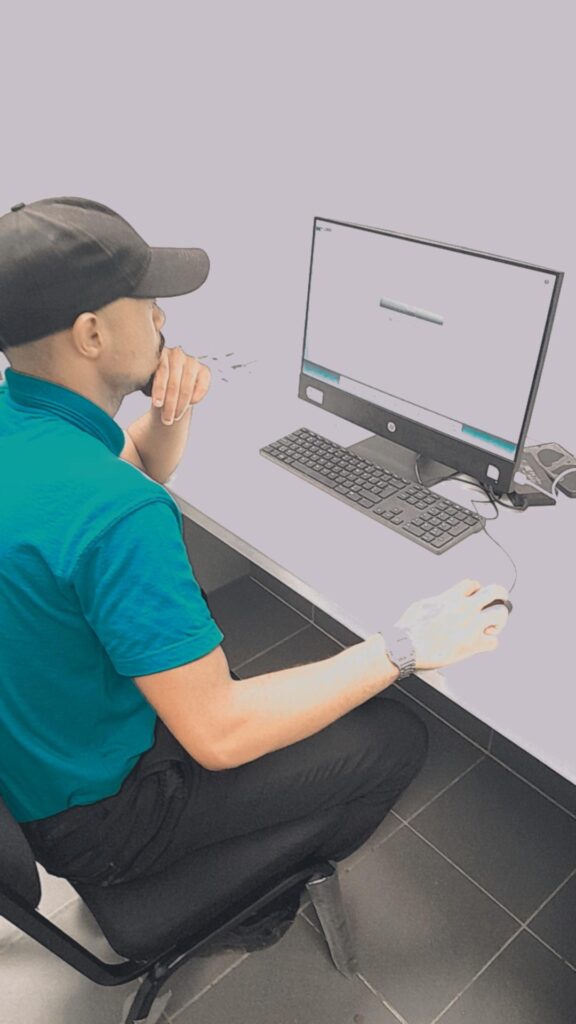
My name is Bongani, and I currently work as a perishables controller at Checkers in Allensnek, Roodepoort, on the West Rand of Gauteng. I started working there in 2022 after applying online and receiving a phone call that changed my life. At the time, I was simply hoping for an opportunity like many other people across the country.
Since then, one question people constantly ask me is:
“How did you pass the interview?”
Some people think interviews are about speaking perfect English or sounding highly educated. But the truth is, most employers simply want someone who is honest, reliable, willing to learn, and able to communicate clearly.
Over the years, I have realised that many people fail interviews not because they are not capable, but because nobody ever taught them how to answer job interview questions properly.
This article will help you understand how to answer interview questions confidently, professionally, and naturally — even if it is your first interview.
Why Job Interviews Matter More Than Your CV Sometimes
Your CV may help you get noticed, but the interview is where employers decide whether they can trust you with the job.
During an interview, employers usually look for:
- Confidence
- Communication skills
- Honesty
- Work ethic
- Problem-solving ability
- Professionalism
- Attitude
In retail, especially at stores like Checkers, employers also pay attention to how you speak to people, how you handle pressure, and whether you seem dependable.
I remember being nervous during my first interview because I did not know what to expect. My hands were sweating, and I kept thinking I would say the wrong thing.
But one thing helped me:
I answered honestly and stayed calm.
You do not need to sound perfect.
You just need to sound prepared and genuine.
Common Job Interview Questions and How to Answer Them
1. “Tell Us About Yourself”
This is usually the first question employers ask.
Many people make the mistake of talking about their entire life story. Keep your answer short, professional, and relevant to the job.
Good Example Answer
“My name is Bongani, and I have experience working in retail. I currently work as a perishables controller at Checkers in Allensnek. I enjoy working with people, learning new skills, and being part of a team. I am hardworking, reliable, and always willing to improve myself professionally.”
Tips
- Mention your work experience
- Mention positive qualities
- Keep it brief
- Sound confident but natural
2. “Why Do You Want to Work Here?”
Employers ask this question to see if you are serious about the job.
Avoid saying:
“I just need money.”
Even though everyone works for money, employers want to hear motivation beyond that.
Better Answer
“I want to work here because I believe this company offers growth opportunities and a professional environment where I can develop my skills. I also enjoy working with customers and being part of a hardworking team.”
When I applied for Checkers, I genuinely wanted stability and experience in retail. Employers can often tell when someone is being real versus when they are simply saying what sounds good.
3. “What Are Your Strengths?”
This question is your chance to sell yourself professionally.
Choose strengths related to work.
Good Examples
- Good communication
- Teamwork
- Time management
- Problem-solving
- Fast learner
- Punctuality
- Ability to work under pressure
Example Answer
“One of my biggest strengths is being dependable. I take my responsibilities seriously and always try to complete my work properly and on time.”
4. “What Is Your Biggest Weakness?”
This question scares many people.
The secret is:
Be honest, but do not mention something that would make you unemployable.
Bad Answer
“I am always lazy.”
Better Answer
“I sometimes put too much pressure on myself because I want everything to be done correctly, but I have been learning how to manage stress and prioritise tasks better.”
This shows self-awareness and maturity.
5. “Why Should We Hire You?”
This is where many candidates panic.
The employer simply wants to know what value you bring.
Example Answer
“I believe I would be a valuable employee because I am hardworking, willing to learn, reliable, and able to work well with others. I always try to give my best in everything I do.”
Do not overcomplicate your answer.
Confidence matters more than fancy words.
How to Prepare Before an Interview
Research the Company
Before your interview:
- Visit the company website
- Understand what they do
- Learn about the role
- Understand their values
For example, before retail interviews, it helps to understand customer service, teamwork, and stock management basics.
Employers appreciate candidates who come prepared.
Practice Speaking Out Loud
One mistake people make is reading answers silently.
Practice speaking your answers aloud.
You can:
- Practice in front of a mirror
- Ask a friend to help
- Record yourself speaking
This helps reduce nervousness.
I personally used to rehearse possible interview questions in my room before interviews. It helped me become more comfortable speaking confidently.
Dress Neatly and Professionally
You do not need expensive clothes.
But you should:
- Look clean
- Wear neat shoes
- Avoid overly casual clothing
- Groom yourself properly
First impressions matter.
Especially in customer-facing jobs like retail.
Mistakes to Avoid During a Job Interview
Arriving Late
Always arrive at least 15–30 minutes early.
Being late immediately creates a bad impression.
Speaking Negatively About Previous Employers
Even if your last workplace was difficult, avoid insulting former employers.
Instead say:
“I learned a lot from my previous role, and now I am looking for new growth opportunities.”
Giving One-Word Answers
Interviews should feel like conversations.
Do not just say:
“Yes.”
“No.”
“Maybe.”
Expand your answers professionally.
Lying About Experience
Many people think exaggerating experience will help them get hired.
But employers often notice dishonesty quickly.
Be truthful about your experience and willingness to learn.
How to Handle Interview Nervousness
Being nervous is completely normal.
Even today, many experienced people still feel nervous before important interviews.
Here are things that help:
Breathe Slowly Before Entering
Take deep breaths to calm yourself.
Remember That Interviews Are Conversations
The interviewer is not there to attack you.
They simply want to know if you are suitable for the role.
Focus on Preparation Instead of Fear
Confidence usually comes from preparation.
The more prepared you are, the calmer you become.
Questions You Can Ask the Interviewer
At the end of interviews, employers often ask:
“Do you have any questions for us?”
Always ask something professional.
Good Questions Include:
- “What does a typical workday look like?”
- “What qualities make someone successful in this role?”
- “Are there opportunities for growth within the company?”
This shows interest and professionalism.
Real Advice From My Own Experience
Working long shifts from 7am to 4pm at Checkers taught me something important:
Most opportunities come to people who stay consistent.
There were times when I felt discouraged too.
I know what it feels like to submit applications and hear nothing back.
I know the stress of wanting to improve your life while balancing work, transport costs, responsibilities, and personal pressure.
But one thing I learned is that preparation changes everything.
The interview that changed my life started with a simple online application.
At the time, I did not know it would lead me to where I am today.
That experience inspired me to create this website because I realised many South Africans simply need guidance, information, and encouragement.
Sometimes one interview can completely change your future.
Extra Interview Tips for South African Job Seekers
Keep Your CV Updated
Always update:
- Phone numbers
- Work experience
- References
- Skills
Many people miss opportunities because employers cannot reach them.
Check Your Phone Regularly
Recruiters often call unexpectedly.
Answer professionally.
Instead of saying:
“Hello?”
Try:
“Good morning, Bongani speaking.”
Apply Consistently
Do not apply once and give up.
Job searching requires patience and consistency.

Improve Your Communication Skills
Even basic improvements in communication can increase confidence dramatically.
Watch interview videos, practice speaking, and keep learning.
Conclusion
Learning how to answer job interview questions can improve your confidence and increase your chances of getting hired.
You do not need to be perfect.
You do not need expensive qualifications.
And you do not need to sound like someone you are not.
What matters most is preparation, honesty, professionalism, and a willingness to learn.
As someone who started with a simple online application and eventually built a career at Checkers, I understand how life-changing employment opportunities can be.
That is why this website exists — to help South Africans find opportunities, guidance, and hope during their job search journey.
If you have an interview coming up, believe in yourself, prepare properly, and give it your best effort.
One opportunity can change everything.